



313@Somerset


The Challenge
Lighting such a large space is a challenge in itself and creating ambient lighting within different shopping, dining and entertainment areas was also a key requirement of the project.
With approximately 60% of the energy footprint of a retail shopping centre being directly attributable to the activities and impacts of the tenancy fit-out and operation, it was important that the lighting and energy management system could help change behaviours.
The Solution
An intelligent control system
So intelligent is the installed system that it can measure the actual current an individual light is drawing and display it on a monitor or graphical interface. The energy information is readily available to the owner to assess energy consumption in all parts of the building and easily determine where it can be improved.
The owners can also identify where one or two circuits might be drawing more current than others and then investigate whether alternative lighting sources might be more efficient. They can also confirm that the time scheduling of the system is set appropriately.
The lighting control system also had to offer mixed control signal capability from a single network for today’s needs and to future proof the system. It currently controls switched, 1-10V dimmed, DALI broadcast dimmed and DMX512 controlled loads seamlessly.
Smart energy measurement
Instead of just measuring the energy coming into a building, the Philips Dynalite technology can read energy usage down to the channel level or lighting circuit.
It was important that the lighting control system could incorporate multiple light sources in one space. Other lighting initiatives include installing sensors in the atrium top-level car park to save energy during the day as well as motion sensors in the staircases to switch lighting on and off.
With energy minimisation a key component of the brief, it was critical that the installed energy management system was intelligent and could identify where power was being used inefficiently and make the necessary adjustments. Philips Dynalite was one of the only companies that could provide energy management current sensing to accurately monitor the energy being drawn right down to an individual electrical circuit.
The versatile DDBC1200 controller makes monitoring energy consumption easy
To maximise energy efficiency, the system uses Philips Dynalite current measuring relay controllers allowing the building’s owners to accurately monitor and understand the building’s lighting loads at any time during the day and make changes to improve its efficiency.
There’s no doubt that seeing the dollars and cents they can save is a great incentive to reduce energy consumption.

The extensive use of energy sub-metering for the base building and tenants closely monitors energy use and allows the building owner to make real changes that save money.
Conclusion
Importantly, being able to successfully monitor the actual energy consumed by individual retail tenants on a granular basis has allowed the owners to maximise the impact of energy saving initiatives and offer tenant incentives to those reducing energy consumption.
Reducing operating costs Besides reducing the building’s carbon footprint, going green has reduced the centre’s operating costs and safeguarded it against future energy price increases. By striving for efficient building operations, 313@Somerset contributes to a sustainable living environment. Other benefits include the opportunity to lead sustainability education for the centre’s retailers and customers.
-
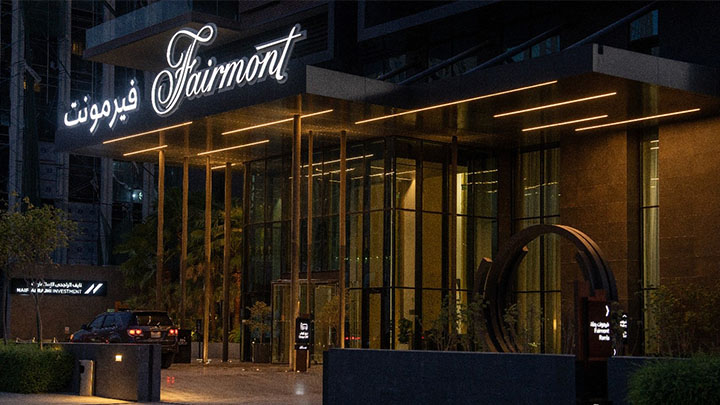
Fairmont Ramla Riyadh
Fairmont Ramla Serviced Residences in Saudia Arabia is a luxury long-stay destination, set out to enhance its guest experience with smart lighting and room control technology
-
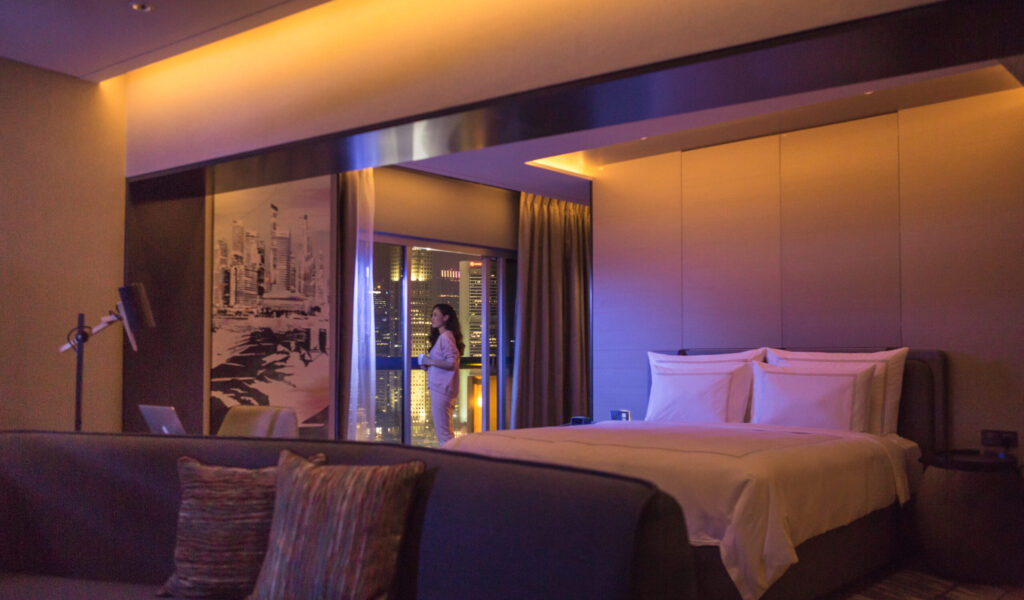
Swissotel The Stamford
Swissotel, in Singapore, is committed to providing an outstanding guest experience and enhancing employee satisfaction with smart room control technology while maximizing operational and energy efficiencies.
-
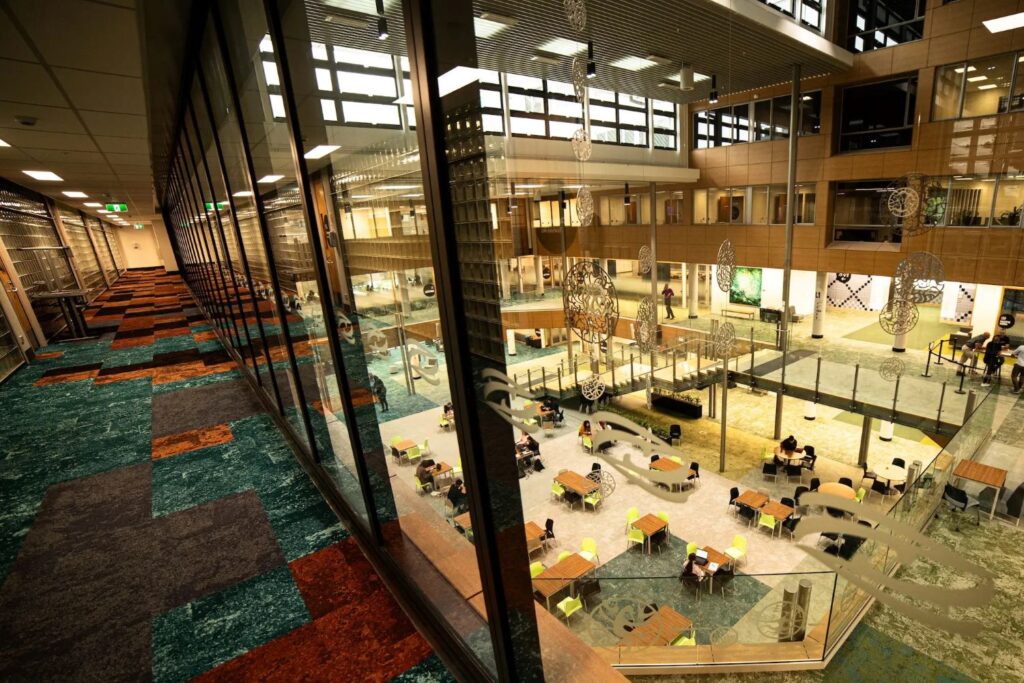
Pathway and English Language Centre
The Pathway and English Language Centre is a key facility within the University of Otago.